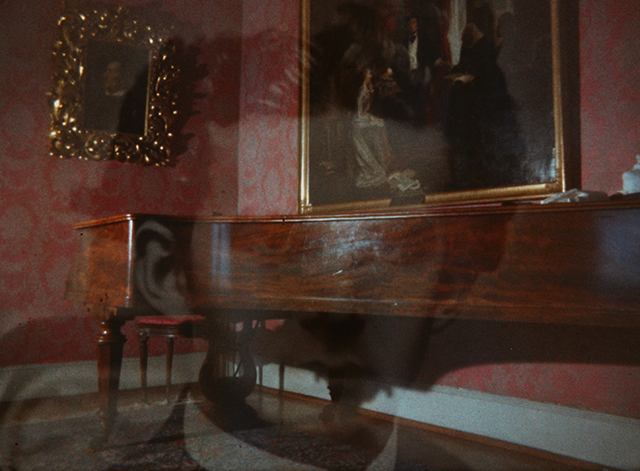
Set to music by Beethoven, this lyrical portrait moves from a cold and misty exterior to the crystalline interior of the Swiss chateau that King Ludwig II built for Richard Wagner. Layered superimpositions and recurrent images hold every detail in exquisite balance.
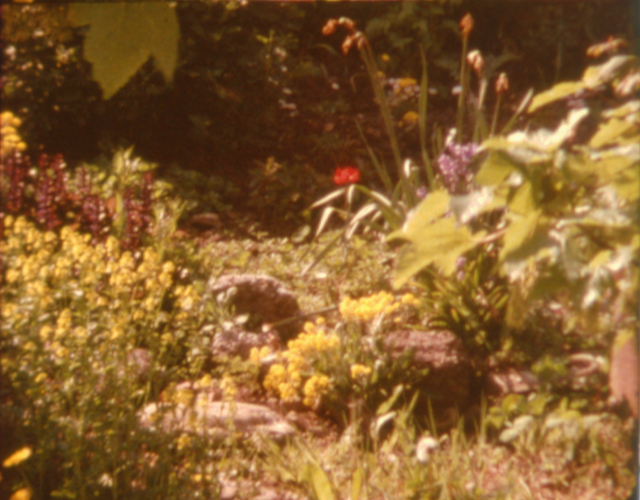
A close study of one garden and house and what could be seen there and heard there within the space of time from June 1975 to november 1975. An evocation of a place (in Orkney) with lifelong associations and latterly used as a work place. A family home, from which at the time of filming, the family had long gone. My own home in childhood and off and on through the years, eventually returned to and worked in (and on). Filmed in the months before leaving it. (Margaret Tait)
On the sound track we hear the Japanese filmmaker, Utako Koguchi, playing the piano and singing, while the image edited in camera, records a walk on the island of Hiddensee. (Ute Aurand)
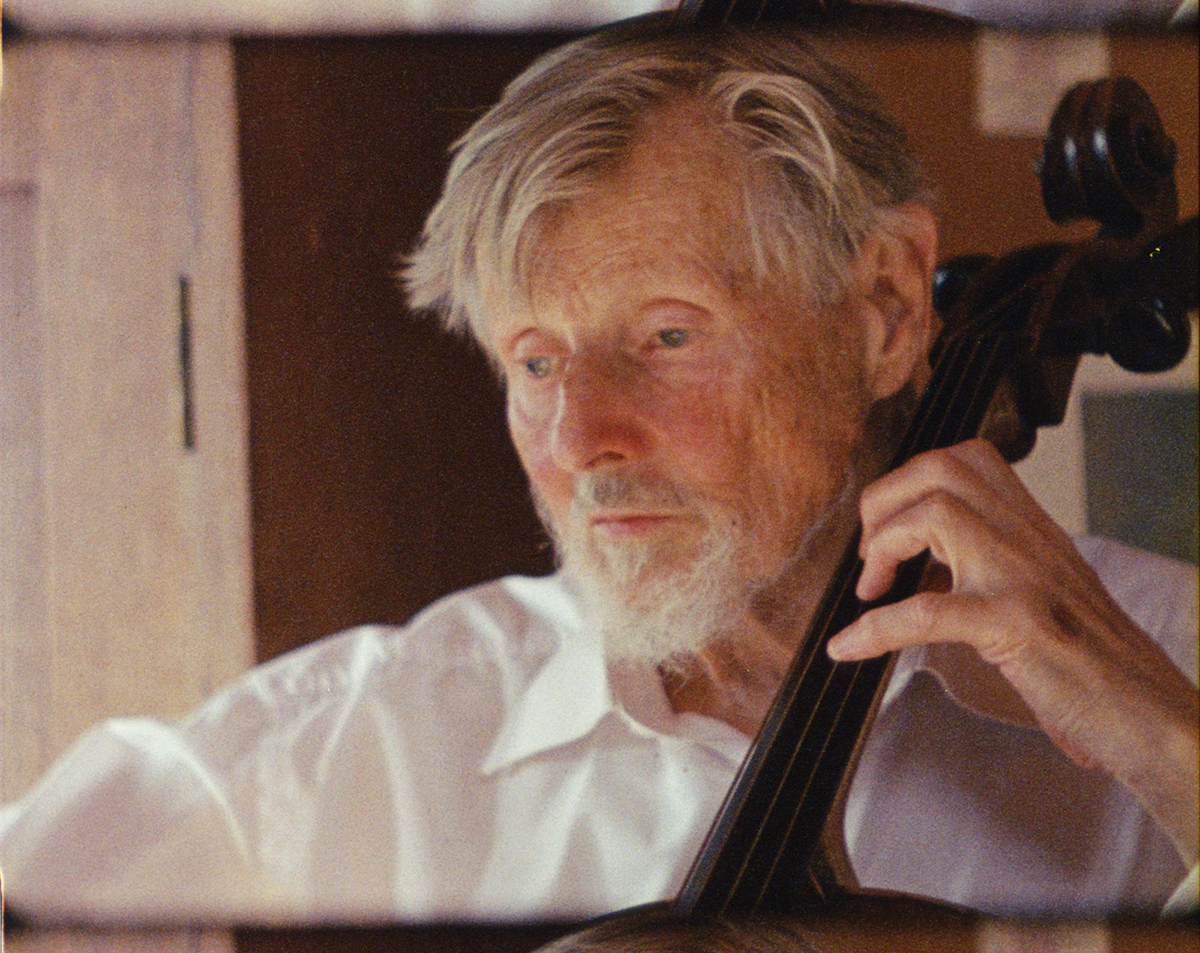
“The life of a sound should inhabit the film frame,” Robert Beavers wrote in one of his numerous notebooks. Of all the astonishing films in his singular body of work, Listening to the Space in My Room is perhaps the film that manifests the life of sounds in the most evocative way. Between 2002 and 2012, Beavers lived on the ground floor of an old house in Zumikon, a quiet Zurich municipality, just underneath his landlords, Cécile and Dieter Staehelin, a retired doctor and a cellist, respectively. This film is a lyrical ode to the Staehelins and to life in this long-shared place, as well as an exploration of resonance as an acoustic signature of a space, connecting sound and space through the element of time. Throughout the film, Beavers articulates zones of permeability — between floors, between garden and interior, between subjectivities. Cello tones and birdsong join the crackle of creaking floorboards and the muffled sounds of footsteps and conversation, extending the meditation on the acoustics of shared inhabited space. “At about midpoint in the film we hear the sound of rain first introduced with black leader and then accompanying a pan as the rain falls on the garden and elephant leaves. This rich and complex sound- scape breathes with life and exudes a quality which opens the soundtrack to the outside — to that which is traditionally outside of music (noise) and to the world beyond the visual space of film.” (Luke Fowler)
“Imagine someone boiling down all the impermanent sensations, routines, memories, and emotions that make a home a home into an intensely flavorful reduction, and you begin to understand Beavers’ stunning film. He and his housemates are crystallized at work: the camera sways with the hands of an older man bowing his cello; observes an older woman tending her garden from inside the darkened house; mirrors Beavers himself examining individual frames of film to stage his somatic cuts. The intricately interlaid tracks of sound and image do not abide any standard measure of continuity, and yet there’s something immediately comprehensible in this exquisitely tuned song of the body in space.” (Max Goldberg)