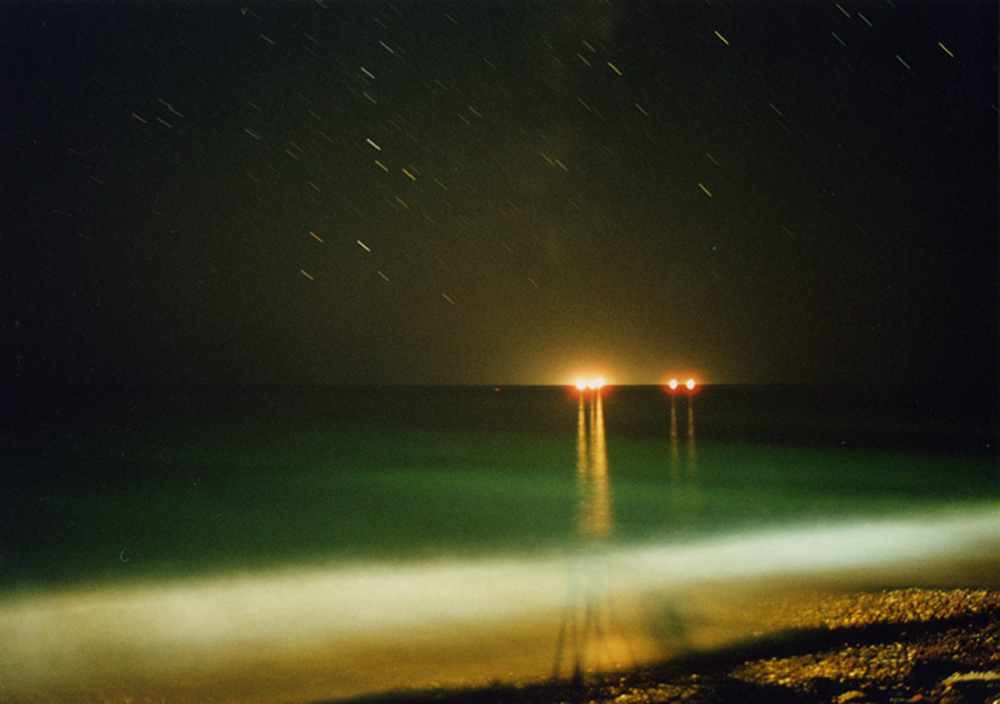
“In astronomical terminology ‘redshift’ is a term used in calculating the distance of stars from the earth, hence determining their age. Redshift attempts to show the huge geometry of the night sky and give an altered perspective of the landscape, using long exposures, fixed camera positions, long shots and timelapse animation techniques to reveal aspects of the night that are invisible to the naked eye. It takes these formal concerns into an emotional realm and uses the figurative to express philosophical ideas about our relationship to the world.” (ER)

This video is part of a series of portraits of aphasia patients filmed during their logopedic therapy. Aphasia is an illness that affects the language centres of the brain, causing the partial or total loss of the ability to communicate verbally. “The confrontation with aphasic patients made me understand how speech is not an obvious fact. Normally speaking people generally don’t stop to think about the words and ideas that come out of their mouths. But aphasic people often fail to go beyond the first letter of the first word of the idea they want to express”. (SA)
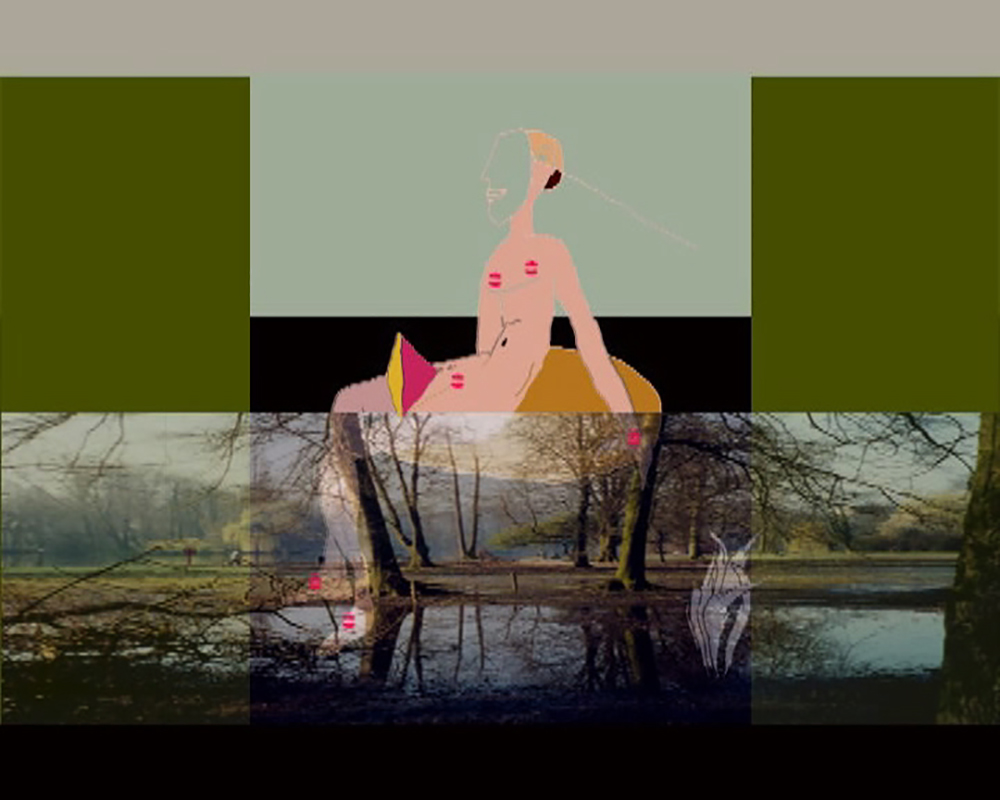

A high electronic tone demands our attention and sparks off a journey through a computer-drawn space. We land up in a minimalist landscape dominated by the suggestion that something is out there in the distance. The horizon allows us a first glimpse of rectangles which, when we come closer, define buildings as in a city, or walls as in an indoor space. Rhythmically and temporized to the music by Ryoji Ikeda, we are being steered through the representation, after which the next image is already twinkling seductively in the distance.
This contemplative and absorbing work was made for a presentation by the Belgian fashiondesigner Bruno Pieters at the Petit Palais in Paris. The combination of music, visual art, fashion, choreography and architecture is typical of the work of Anouk De Clercq, and of a generation of eclectic artists and designers from flanders who, since the 1990s, have been successful in finding an international podium.
A collaboration with Joris Cool.

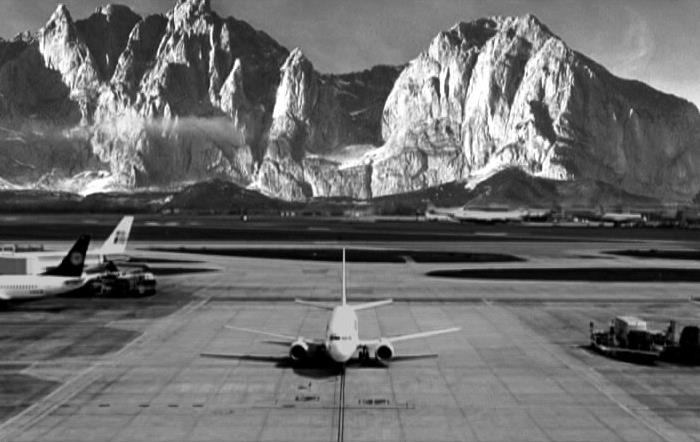
This four-part video work is set along the route of an imagined transport network through the Alps. An airport, a railway, an autobahn and a ferryport are presented centre frame, while a constant flow of traffic passes through the scene. Against this relentless procession the viewer is witness to fleeting moments of human drama: a glimpse of a woman in flight, a pursuit across a meadow, a shooting …narratives left unresolved, personal stories lost within a grander spectacle.
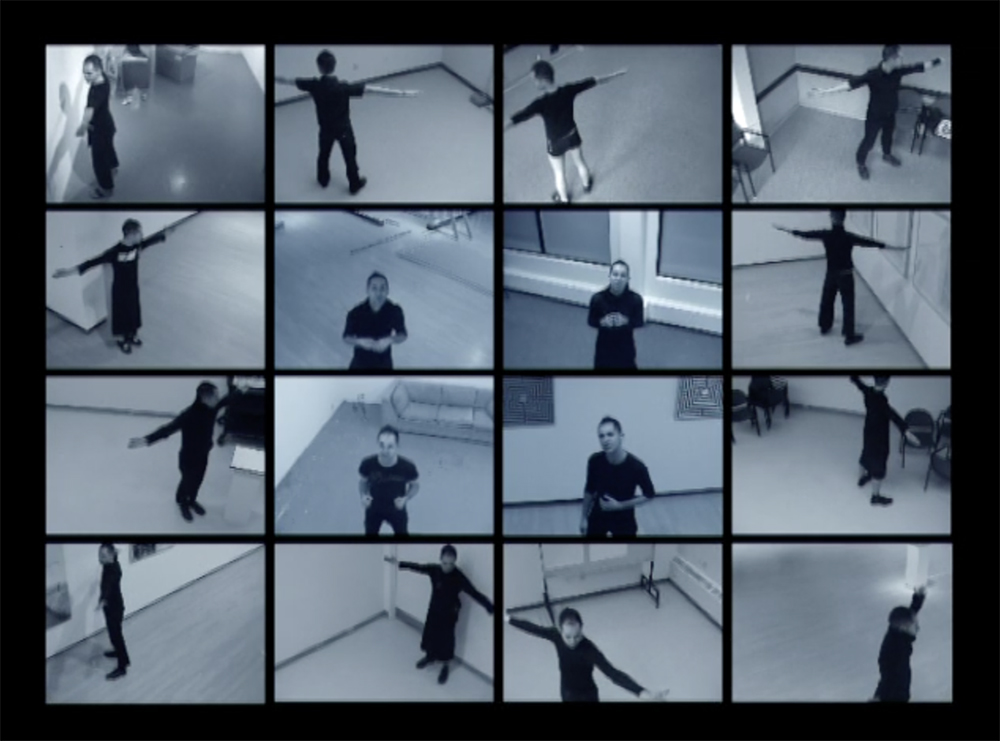
The artist performs a choral rendition of a 1980s Madonna ballad for an audience of sixteen surveillance cameras.
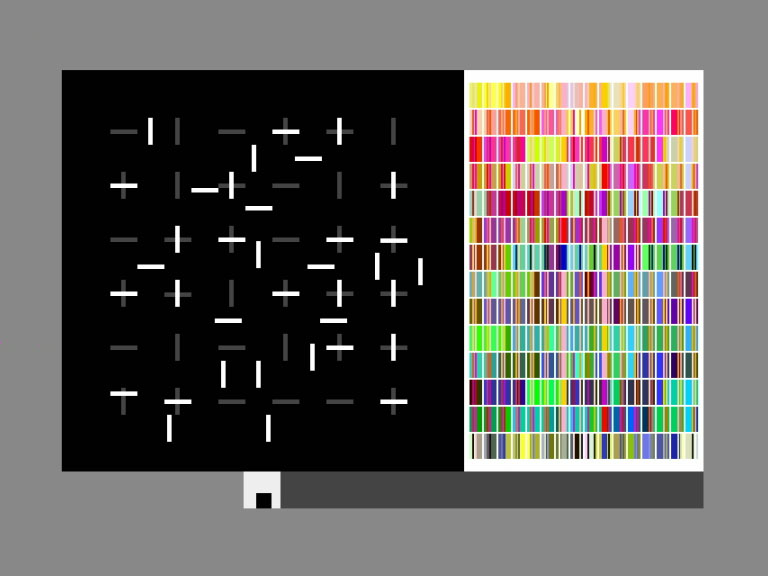
The quadratic number 36 and its subsets, including the prime numbers into which it can be broken down, function as the basic organizing principle of a two-minute video divided into three fields in which the transformations of vertical and horizontal structures take place and are linked together by Stefan Németh's minimalist electronic soundtrack. The work recalls early digital aesthetics, absolute film and minimalist compositions.
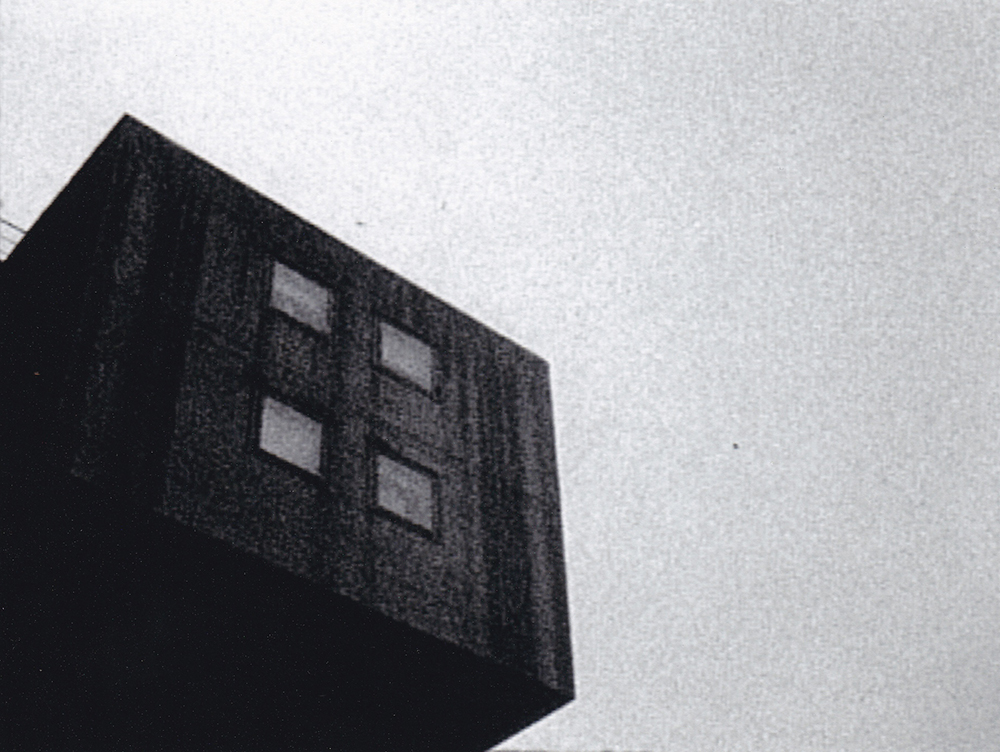
The video quadro is a film portrait of a monumental 1960s apartment block built in the italian coastal city of trieste. resembling a fortress, this imposing structure, laid out in the shape of a square, floats on top of a hill overlooking the city.
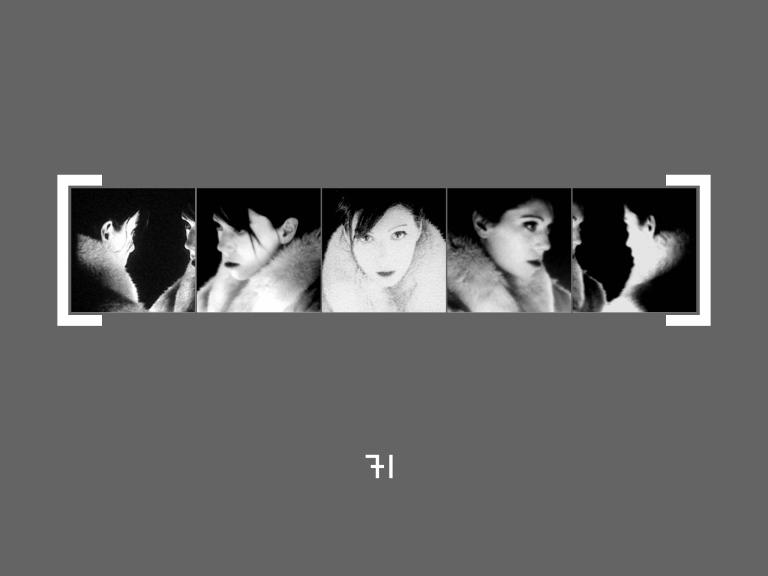
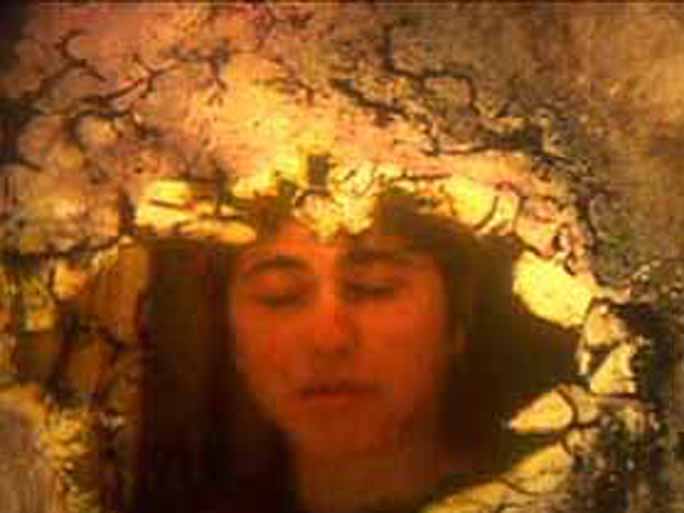
An unearthed time capsule consisting of footage of the maker's youthful self – an "exquisite corpse" with nature as collaborator. Bourque buried random out-takes from her first three films (all staged productions dealing with her family) in the backyard of her ancestral home (adjoining the grounds of a former cemetery) with the ambivalent intentions of both safe-keeping and unloading them (she was relocating). Upon examining the footage five years later she found that the material contained images of herself captured during the making of her first film. That discovery seemed handed over like a gift and prompted the making of this film, a metaphysical pas-de-deux in which decay undermines the image and in the process engenders a transmutation.

Jours en fleurs is a reclamation of flower-power in which images of trees in springtime bloom are subjected to the floriferous ravages of menarcheal substance in a gestation of decay. The title is based on an expression from my coming-of-age in Acadian French Canada where girls would refer to having their menstrual periods as “être dans ses fleurs.” As a result of incubation in menstrual blood for several months, the original images inscribed on the emulsion undergo violent alterations. The shedding of the unfertilized womb depredates the fertilized blossoms and substitutes its own dark beauty.

A purely suggestive film about the very last man, who hunts female bodies to continue his rituals. A macabre parable about the urge to control and construct in an absolutely hostile world. Grainy, claustrophobic and repetitive.

An intense, chilling tale on lust and eating rituals, filmed by Jen Debauche with a Super 8. She alternates vivid colours with B/W images and she makes use of stop-motion technique to create a frenetic, uncanny atmosphere, combined with a sound design which is just as eerie. Referring to the early surrealist films of Luis Buñuel she creates a visually associative fantasy, tingeing with sexual uproar. “Shaking blubber, quivering meat, a pantheon of shouting bodies.”
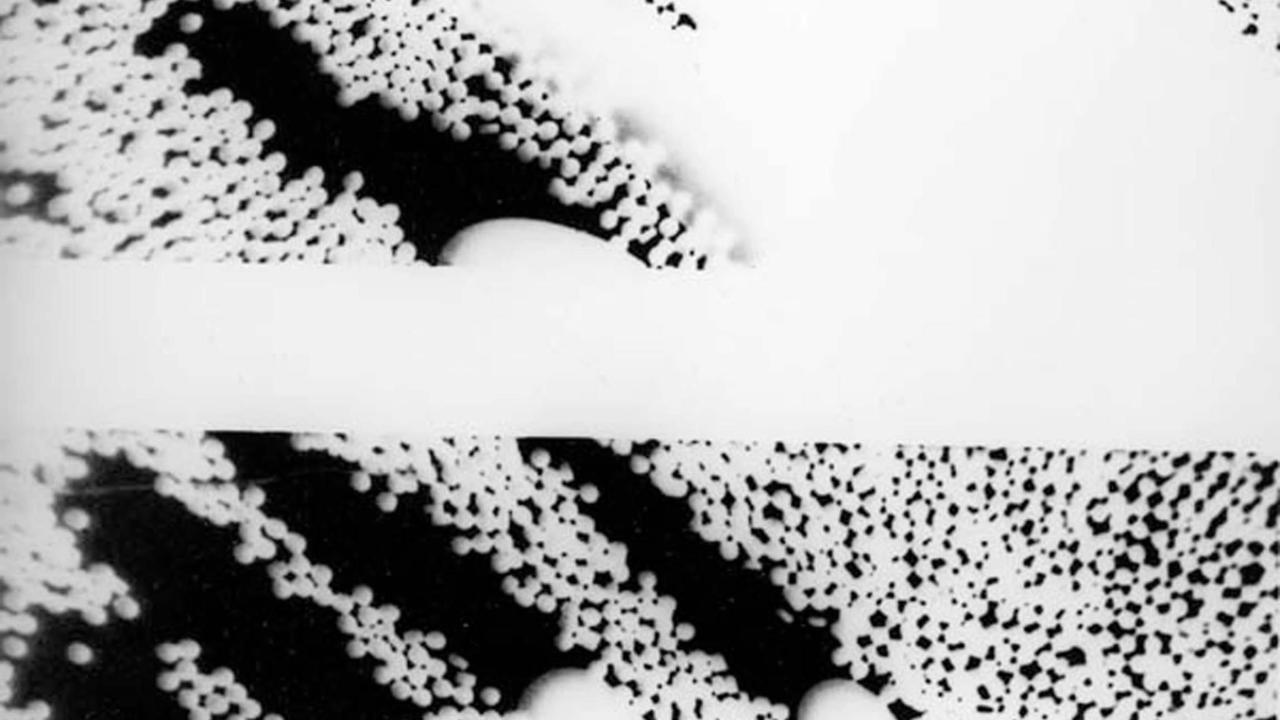
In 1930, Stefan and Francizka Themerson made a controversial, black & white, silent, 35mm film in Warsaw, Apteka. It was the first ‘moving photogram’ and an innovation in experimental cinema. It disappeared during the German occupation of Poland. Bruce Checefsky’s film Pharmacy is based on the surviving notes, letters, stills and published reviews about the original film.
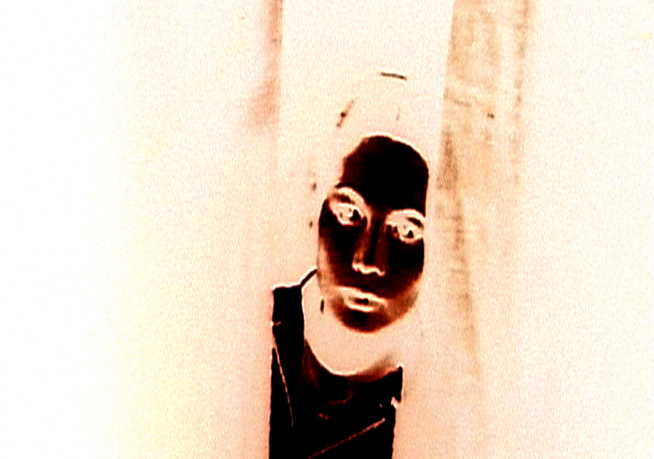
A geography of shadows. Silhouettes that never quite take shape. Anaemic figures, seen in negative, forced to wander between narratives restlessly but caught in a loop which repeats without end. They are a living dead confined to a cinematic space they cannot leave. They are the secret that lies between stories.