check the complete program on
10 September, 19.30 – A conversation about Lav Diaz and his filmmaking. The talk is followed by the screening of Diaz’s Naked Under the Moon at 21.30.
12 September, 17.30 – Batang West Side
16 September, 18.00 – Hesus, Rebolusyanaryo
20 September, 10.00 – Evolution of a Filipino Family
27 September, 13.00 – Heremias, Book I
18 October, 13.00 – Death in the Land of Encantos
25 October, 15.00 – Melancholia (2008), 450min
29 October, 21.30 – Prologue to the Great Desaparecido + Butterflies Have No Memories
1 November, 17.30 – Century of Birthing
3 November, 20.30 – An Investigation into the night that won’t forget
8 November, 17.30 – Florentina Hubaldo, CTE
10 November, 10.30 – Lav Diaz symposium at the University of Antwerp
11 November, 14.00 – Norte, The End of History
12 November, 19.30 – Manila in the Claws of the Light (Lino Brocka), preceded by a conversation with Lav Diaz
20 November, 17.30 – From What Is Before
26 November, 19.30 – Storm Children, Book I



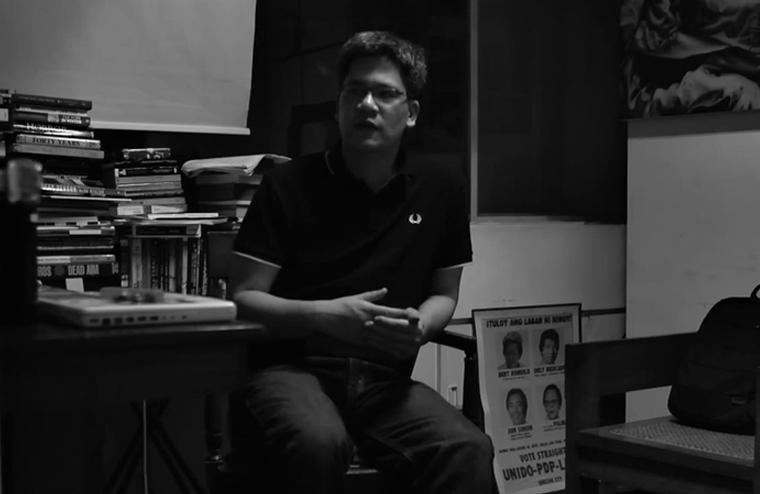
Erwin Romulo, the best friend of the late film critic Alexis Tioseco, recalls the events after the critic and his girlfriend Nika Bohinc’s murder during a buglary in their home in Quezon City. Lav Diaz makes use of one long take to allow Romulo an uninterrupted narration of the events.

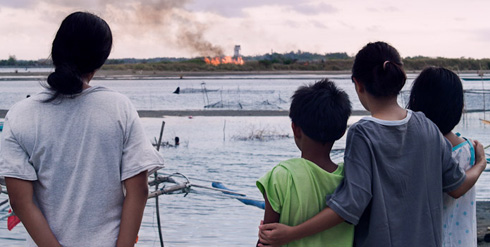
Norte, the End of History starts with a chat in a bar about ideology and the 21st century, the absolute freedom of the individual and responsibility, capitalism and Karl Marx. Frustrated because so many corrupt politicians and crooks get off scot-free in the Philippines, the down-and-out law student Fabian tries to make a point. As he sinks deeper and deeper into an immoral and violent universe, the innocent Joaquin is thrown in jail and his wife and children try to keep their heads above water on the fringes of the coastal town of Laoag.
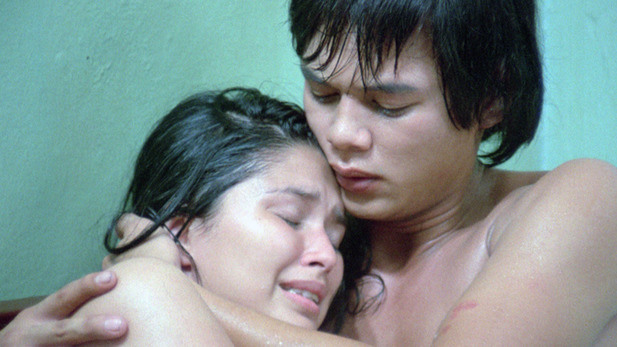
Manila in the Claws of Light (Maynila: Sa mga kuko ng liwanag) tells the story of a young provincial named Julio Madiaga who goes to the city to look for his lost love, Ligaya Paraiso. From its opening shot of littered sidewalks to its final one of Julio, cowering at the bottom of a dead-end alley, it is a series of voluptuous images charged with urgency and captured raw and honest.
Restored in 2013 by the Film Foundation (World Cinema Project) and the Film Development Council of the Philippines at Cineteca di Bologna / L’Immagine Ritrovata laboratory, in association with LVN, Cinema Artists Philippines and Mike de Leon.

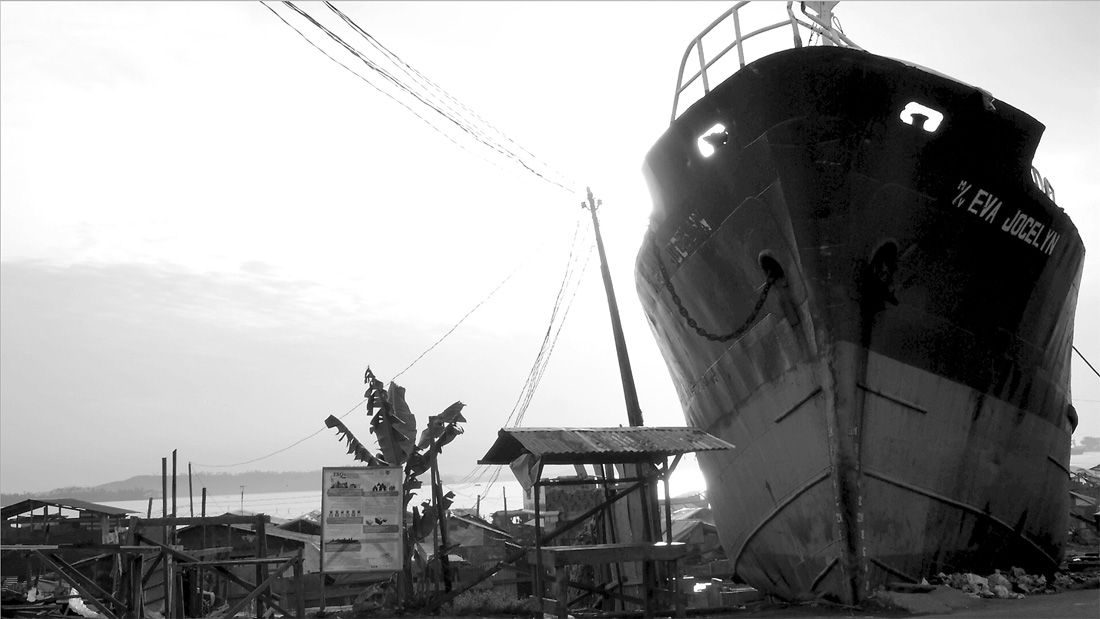
A terrible typhoon Yolanda (Haiyan) has left a city on the coast in a state of post-apocalyptic chaos. Freight ships were thrown from the sea and lie around between what remains of houses and shacks, and countless people tragically lost to the waves. In the middle of it all a group of children are creating a new world for themselves. Diaz’ characteristic, cinematic signature – the long and hypnotic scenes held in patiently observing black and white images – is present in every composition and every instant. A sublime, cinematic report from a devastating corner of reality.
The children, as they cope with the disaster, are scavenging for food and materials, telling stories, playing amid the looming ships run aground on the town’s main street, and diving from others that still sit in the sea. Storm Children – Book One is a moving reflection on human resilience, and shows the filmmaker’s deeply rooted sense of community and his connection with the past and the future generations of his country.