In the presence of Vartan Avakian, Max Göran
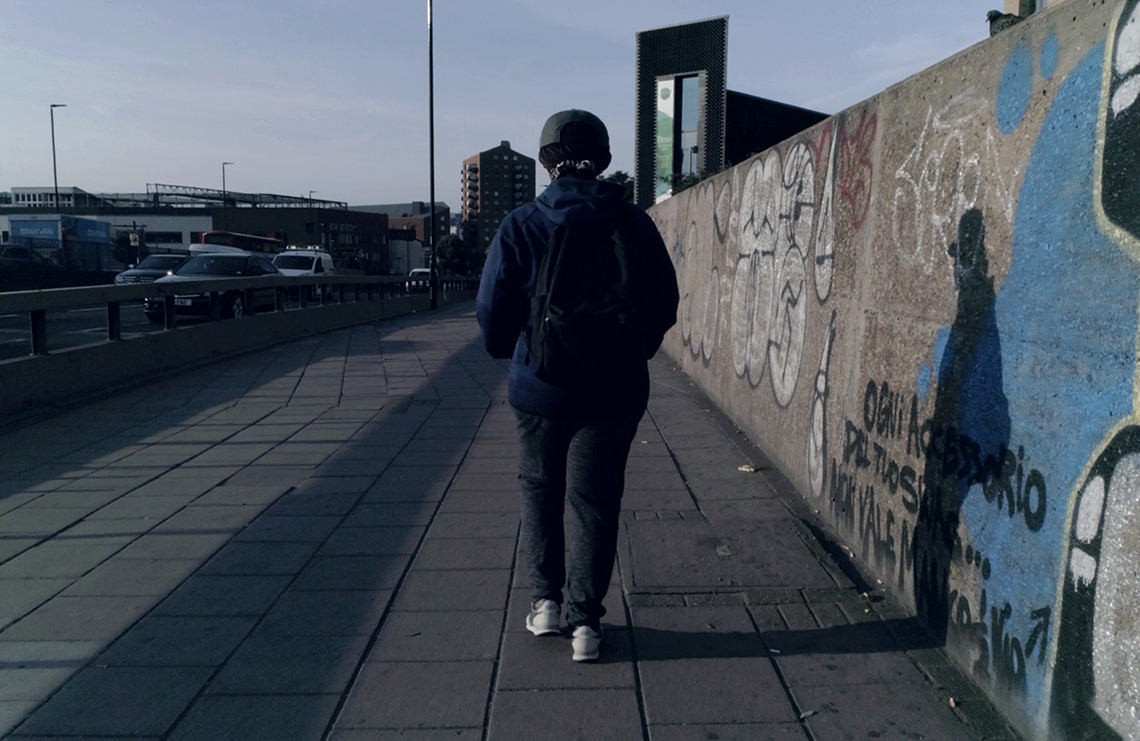
The Expulsion is a deeply personal work which highlights the rich interior world of an unnamed migrant with references to themes of race, class, and gender. Invoking the energy and memories of a pre-gentrified 1990s East London with weaving testimonies and daydreams, highlighting the monotonous rhythms of physical labour. The film also explores the weight of frustrating consumerist aspirations in the city’s West End.
The narrator forces an imagined viewer to look at what has been made unseen; cleaners, labourers, janitors, porters, bouncers, and sanitation workers each attempting to claim the spoils (and that which has been spoiled). Guiding us into a shadow world of ‘invisible’ workers by transmuting the common acts of cleaning and maintenance into something that has the power of the rituals of prayer or a sequence of launch codes. Each repetition evokes an attempt to reach apotheosis, to leave the loop or at the least shake off the signifiers of difference and poverty. The film connects an ever-present past to current concerns of societal iniquity, class ceilings and erased histories. (Larry Achiampong)
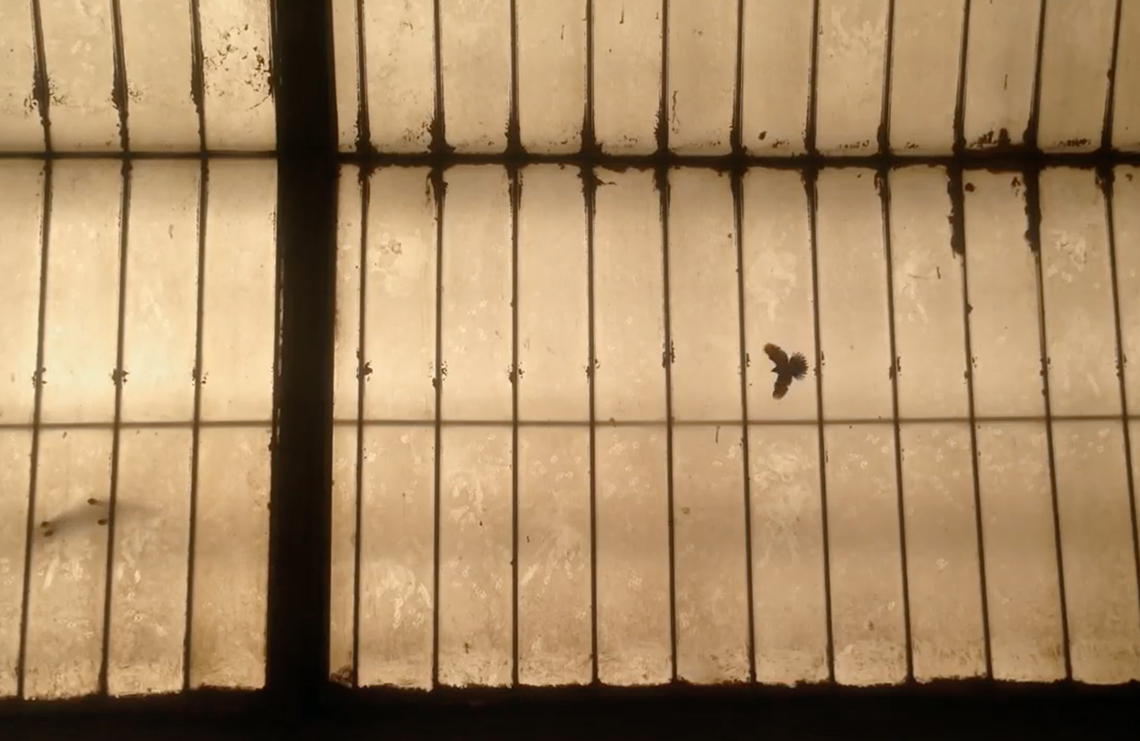
In The Video Story, artist and filmmaker Vartan Avakian assembles home VHS footage shot with the camera his father — a mechanic and undertaker — once bought. Through this material, Avakian examines his family relationships, exploring themes of oral and filmed history, spatial and temporal distance, and the class differences brought on through cultural and social divides between him and his father.
“He bought a video camera in 1983, and nothing has been the same since. “Films are reality,” he told me. Some years later, he asked for Nicole Ballan’s leaked sex tape. The Video Story is based on the home video archive of a family, whose relationship to reality and fantasy drastically changed when a VHS camera was introduced to their lives.” (Vartan Avakian)
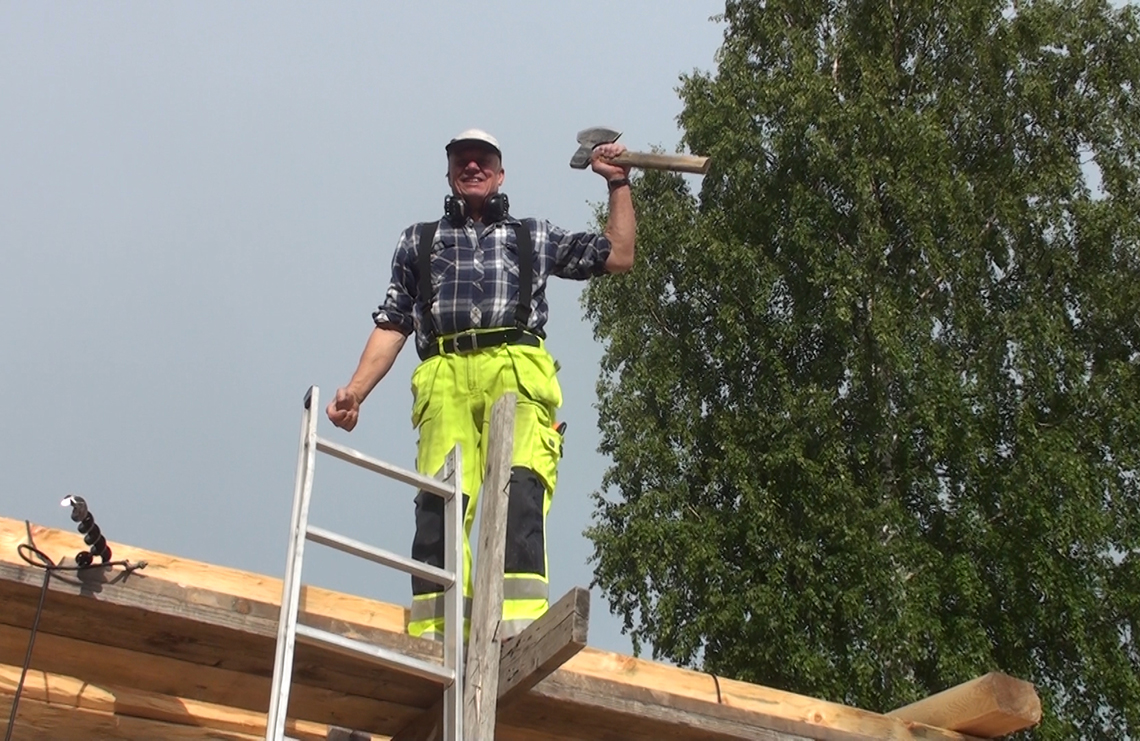
Artist and filmmaker Max Göran records her return from Berlin to visit her father in the north of Sweden. It is a meeting marked by class differences, of what happens when one acquires social or cultural capital, and an attempt to bridge the gap that arises between those who move class and those who don’t.
“I want to see my lumberjack dad, who I have limited contact with, out of interest in connections being made between right wing populism and working class affiliation. Through the use of a camcorder I approach our relationship, tainted by political disagreement and different life circumstances. The lack of common ground becomes bridged through the camera, through him performing himself, and me capturing his image. A practice holding both violent and mending qualities.” (Max Göran)
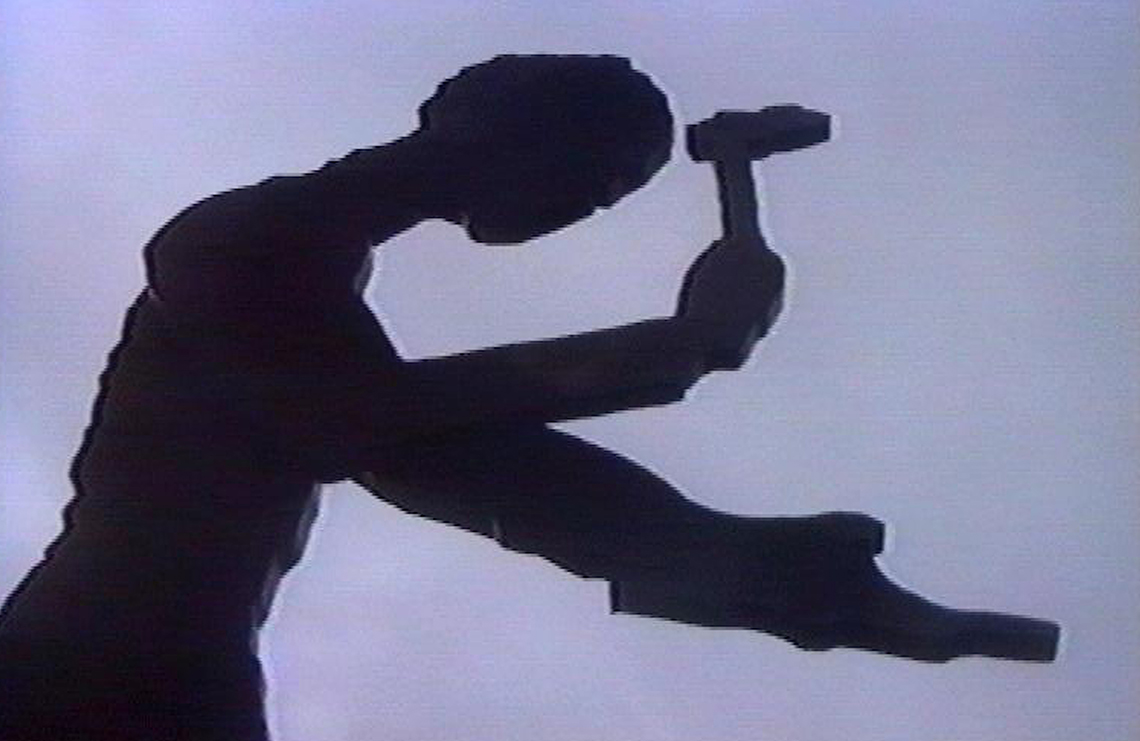
María Ruido was born into a working-class family outside the art world. In La memoria interior, she turns to her family history to examine her parents’ experience as migrant labourers. The film explores the emigration from Spain to Germany in search of factory work, reflecting on what is remembered and what is forgotten. Starting from personal experience, it questions who gets to narrate histories of labour and challenges those memories that are shaped by institutions and often stripped of their political force. Ruido also examines her own role and responsibilities as an artist from a working-class family, exploring differences in forms of labour and their consequences.
“The work is the result of a trip to Germany and of a personal investigation that lasted several years, tackling the theme of the construction of memory and of the mechanisms of the production of history. Through the narration of my family’s history, it delves into the memory of the then recent emigration from the Spanish state to Europe, and the elaboration from personal experience against the idea of an official history and memory, restricted to the institutional and articulated around the deactivation of the political subjects.” (María Ruido)