I have deliberately selected a very diverse selection of films made over the past 50 years for these two programs. Some could loosely be described as documentary, others as fiction, but one thing connects all of them — they are all constructed from documentary images of the world around us. Each program begins with a film by another artist that I found highly influential when I first started making my own work. They each revealed, in their own way, that film can completely transform our reading of documentary images to create its own reality, and that images are infinitely mutable.
This second program begins with Unsere Afrikareise by Peter Kubelka. Unlike Repertory, this film does depict some very dramatic events. But what struck me most when I first saw it over 50 years ago was the drama that was created by editing — by the frequently non-naturalistic combination of images and sounds. Back in 1972, it felt like magic when a gunshot on the soundtrack was exactly synchronised with a tourist’s hat being blown off by an innocent gust of wind. I realised that, in the right hands, filmic montage can simultaneously fulfil literal, metaphorical and abstract functions. It became clear to me that representation and abstraction can co-exist and complement each other within the same work, and that the importance of cinematic form is equal to that of recorded subject matter. (John Smith)
In the presence of John Smith
Curated by John Smith
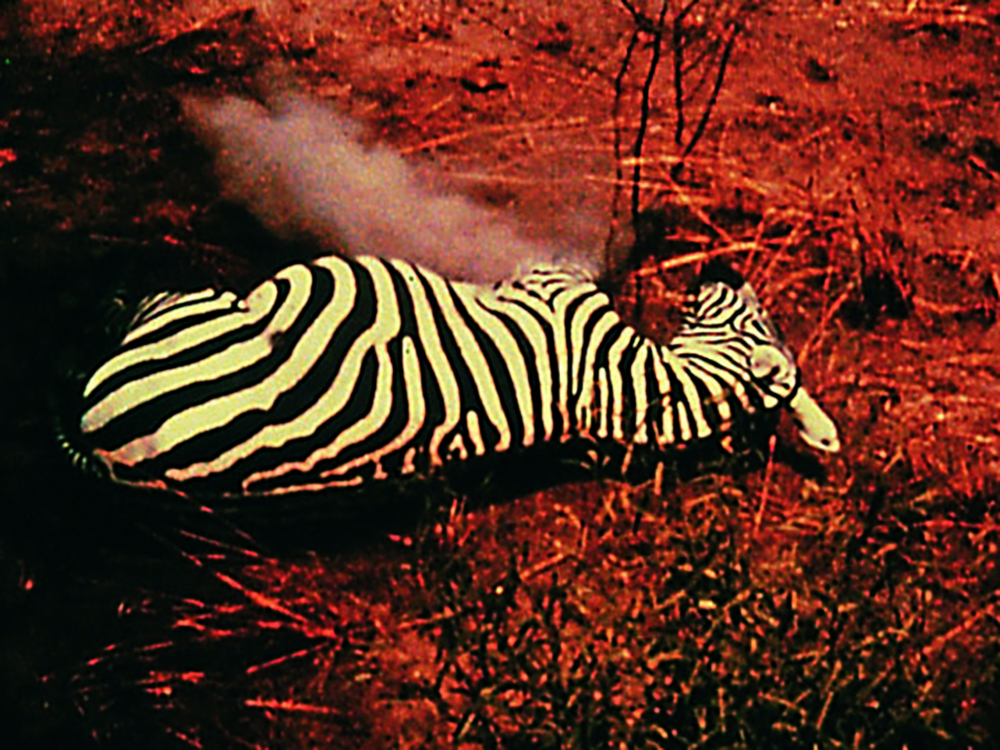
In 1961, the young filmmaker Peter Kubelka was hired by a group of Austrian hunters to document their trip to Africa, expecting the film would be completed a few weeks after their return. Contrary to their expectations, the process ended up taking five years. When Kubelka eventually delivered the finished film to its commissioners, its biting critique of colonial exploitation was radically different from what they expected. The result was not received well, to say the least. The film includes images of cruelty to animals that some viewers might find distressing.
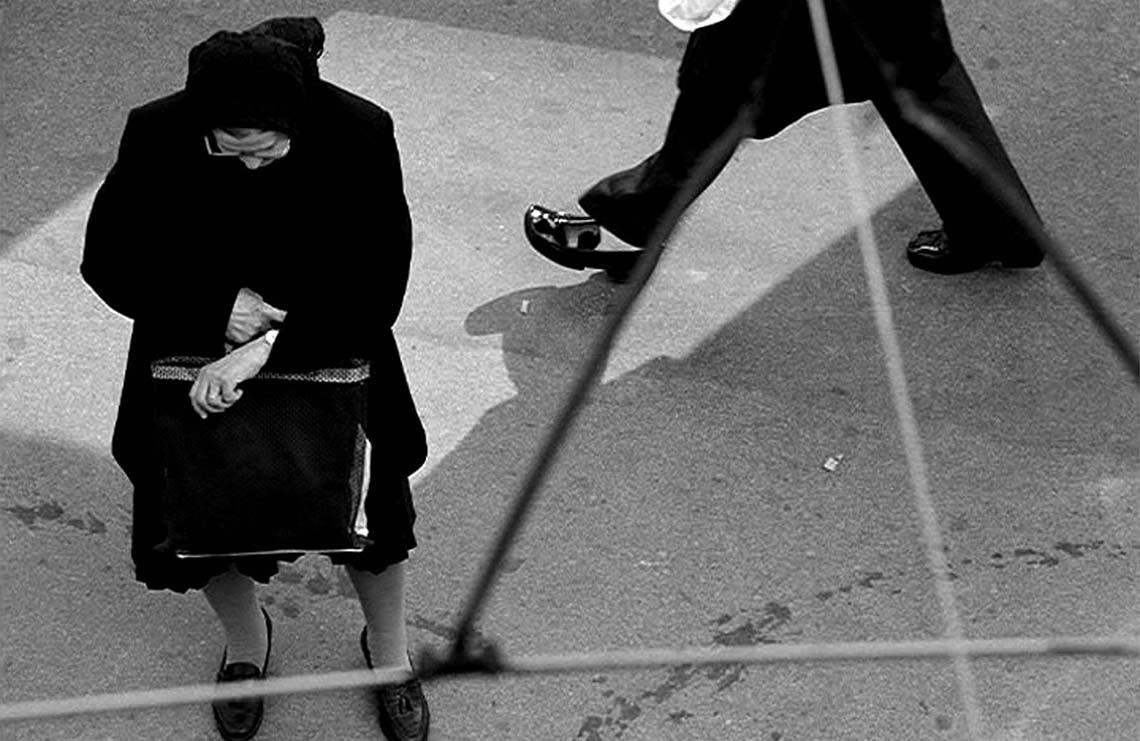
Worst Case Scenario is constructed from a collection of still photographs depicting daily life on a Viennese street corner. Shot over the course of one week from a window overlooking the scene, the film explores the ambiguities of its images, developing themes that focus on watching and being watched, distance and uneasy proximity. As the static world of the photographs gradually comes to life, the soundtrack introduces another, unseen, space to the viewer. An increasingly improbable chain of events and relationships begins to emerge.
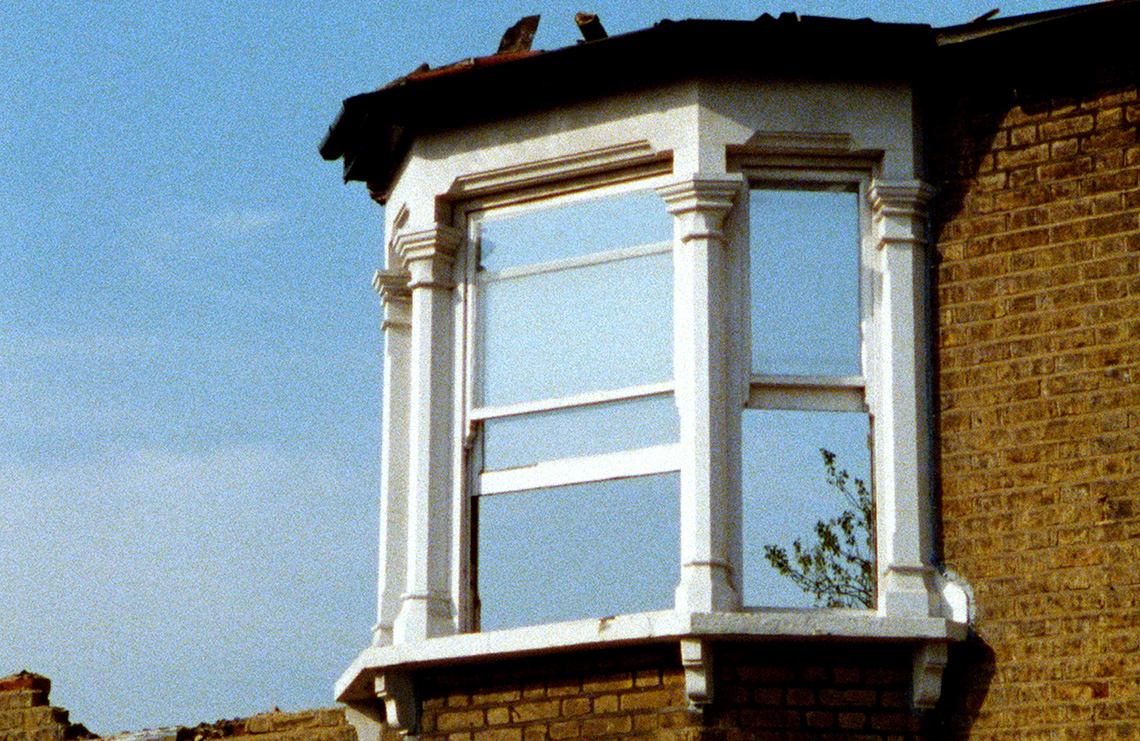
John Smith’s beautiful elegy for East London homes destroyed to build the M11 Link Road interweaves voices of the evicted and demolition footage to a dramatic score by Jocelyn Pook. Masterful editing introduces warning flash frames of red, green and blue to the thud of bricks, which mount to streaks of colour as figurative details of domestic life are subsumed by mechanistic force. Smith lets graffiti on the remnant homes narrate the protest, leaving us haunted by one resident’s voice: “It has a living energy of itself. That house has a spirit.” Blight reverberates now as a plangent plea to stop destroying our planet home and to design more earth-centred dialogue between architecture, infrastructure and community, beyond our speed and growth dependency. (Cherry Smith)
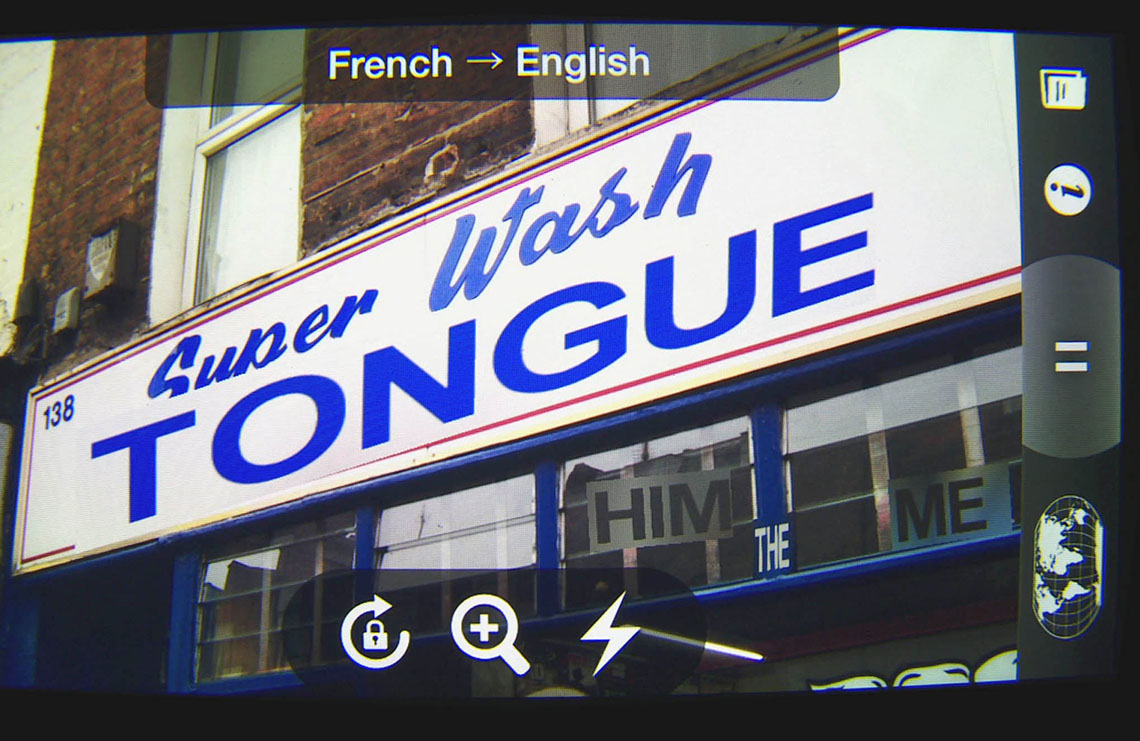
Smith has long engaged with the concept of misunderstanding — be it ideological, political, linguistic, or misun- derstanding that arises from subjective narration, filmic devices, and our relationship to the media that shape our view of the world. Smith’s latest video, Steve Hates Fish, is an exploration of manufactured misunderstanding. By deliberately confusing the popular ‘Word Lens’ translator app for smartphones, which translates text in real time using the phone’s camera, Smith recasts the shop signs in his local neighbourhood as a bazaar of dadaist plays-on-words. The jumpy, often useless jumble of words onscreen inspires a kind of empathy. Watching the app search its memory for a corresponding translation is somehow not far from the futility of trying to make heads or tails of signage in a country where one does not speak the language. (Patrick Armstrong)
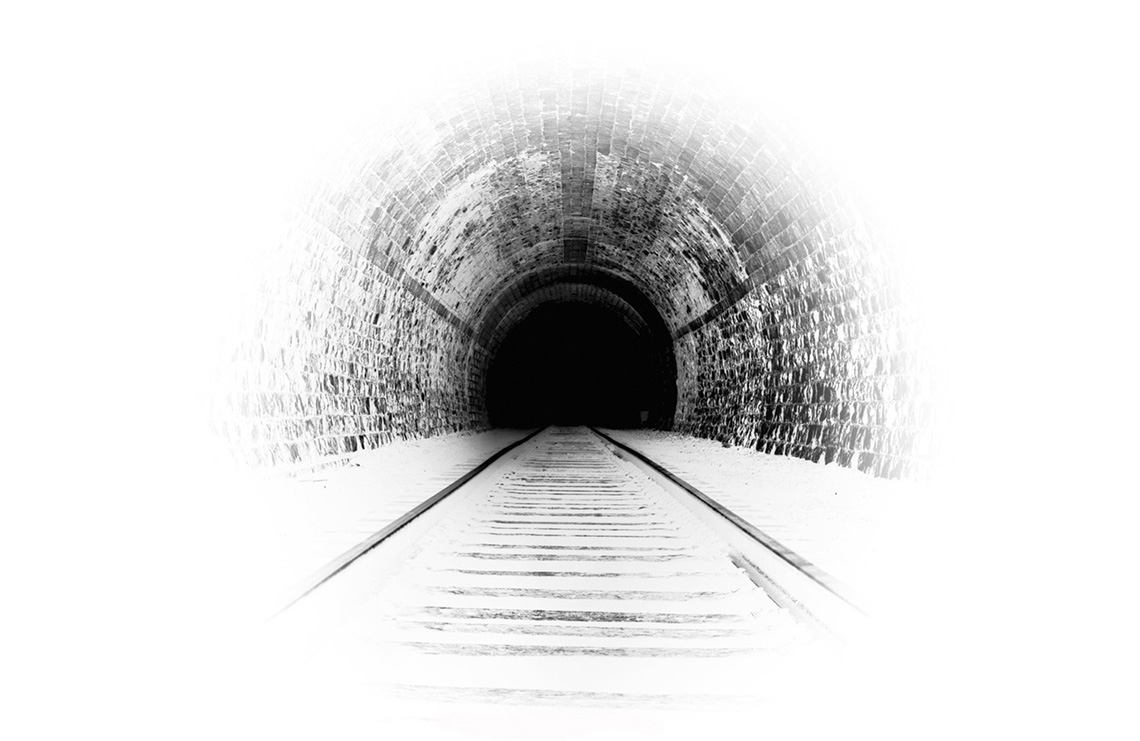
The only time I’ve visited a communist country was when I went to Poland in 1980, not long after Margaret Thatcher’s Conservative government was first elected in Britain. I first visited the former East Germany in 1997, eight years after the fall of the Berlin Wall and a few months after Tony Blair’s ‘New Labour’ government was elected. White Hole recalls these experiences many years later, and questions the idealisation of life in other places and political systems. It remembers a time when we could at least imagine that the grass might be greener on the other side.

A view across the border in Nicosia, the divided capital of Cyprus. The camera looks over the rooftops, from the Greek Cypriot south to the mountains of the Turkish Republic in the north — where a display of nationalism is enhanced by filmic means. Moving between macro and micro perspectives, Flag Mountain sets dramatic spectacle against everyday life as the inhabitants of both sides of the city go about their daily business.

Hamas have just won the Palestinian elections and a chocolate bar in a Rotterdam hotel room eventually reminds the filmmaker that there are more important things going on in the world outside. Exactly one year later he returns to the same city and checks in at a very different hotel. Pyramids / Skunk is the 5th episode in Smith’s Hotel Diaries series. Made over six years in hotels in six different countries, Hotel Diaries charts the ‘War on Terror’ era of Bush and Blair through a series of video recordings. They relate the ongoing conflicts in Afghanistan, Iraq and Israel/Palestine to Smith’s personal travel experiences. In these works, which play upon chance and coincidence, the hotel room is employed as a ‘found’ film set, where the architecture, furnishing and decoration become the means by which the filmmaker’s small adventures are linked to major world events.