“Ik wil cinema maken die zowel trance-achtig als transparent is: cinema die werkzaam is op het niveau van een droomlogica, tot deze plotseling wordt verstoord door een moment van zelfbespiegeling, zoiets als struikelen over een verlengsnoer.”
Wat zien we als we kijken naar beelden die op het scherm flikkeren? Je zou kunnen zeggen dat de cinematografische ervaring altijd een uniek spel impliceert van zowel imaginaire aanwezigheid (perceptuele ervaringen, fantasieën, illusies) als van echte afwezigheid (wat gerepresenteerd wordt, maar er niet echt is). De act van de waarneming mag dan echt zijn, maar het waargenomene is alleen maar een schaduw, een spookverschijning, “een hallucinatie die ook een feit is”. Het zijn die fundamentele spanningen tussen aan- en afwezigheid, tussen het feitelijke en dat wat op de waarneming is gericht, tussen het zichtbare en de geest van het verborgene, die aan de basis liggen van het werk van Mary Helena Clark. Ze richt zich daarbij zowel naar het fantastische en het illusoire van de vroege cinema, als naar het materiaal en de vormexperimenten van de avant-garde. Haar hypnotiserende werken verkennen de primitieve magie van de cinema, en trekken ons in de geheimzinnige spelonken van het bewegende beeld. Courtisane vertoonde de afgelopen jaren verscheidene films van Mary Helena, en gaat daar dit jaar mee verder tijdens het komende Courtisane Festival (17-21 april 2013), met de vertoning van haar recentste kortfilm, Orpheus (outtakes). Als een proloog tot het festival stelt Courtisane in OFFoff zes films van Mary Helena Clark voor. Bovendien wordt een selectie gepresenteerd van werken van andere filmmakers die haar modus operandi hebben geïnspireerd, van grote avant-garde meesters als Hans Richter op 16mm tot hedendaagse videokunstenaars als Anne McGuire.
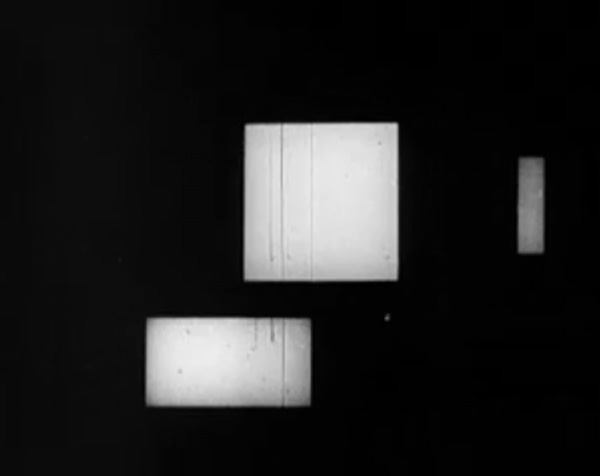
“I conceive of film as a modern art form particularly interesting to the sense of sight. Painting has its own peculiar problems and specific sensations, and so has film. But there are also problems in which the dividing line is obliterated, or where the two infringe upon each other. More especially, cinema can fulfill certain promises made by the ancient arts, in the realization of which painting and film become close neighbors and work together.”
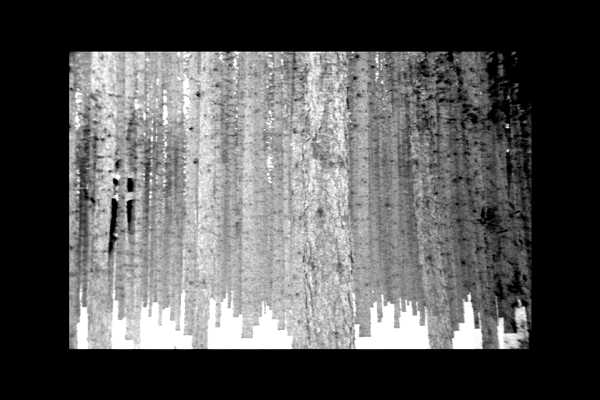
“A walk through the proscenium wings. You close your eyes and suddenly it is dark.”
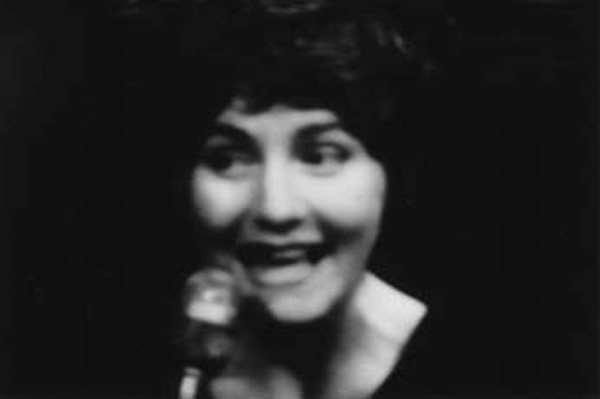
A wonderful witty work about nostalgia and desperation. Ann McGuire portrays a Kennedy-era singer performing in a space where theatre meets television. McGuire’s Garlandesque gestures provide both a sense of tragedy and humour. I am Crazy and You’re Not Wrong weaves narrative, performance, memory and history into a ironic and haunting work of unique proportions.
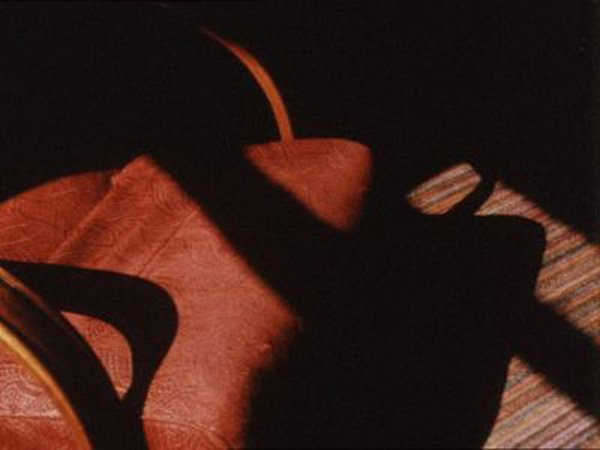
“Leading Light uses the camera-eye to reveal the irregular beauty of a familiar space. When we inhabit a room we are only unevenly aware of the space held in it and the possible forms of vision which reside there. The camera-eye documents and returns our apprehension. Vertov imagined a ’single room’ made up of a montage of many different rooms. Smith reverses this aspect of ‘creative geography’ by showing how many rooms the camera can create from just one.” (A.L. Rees)
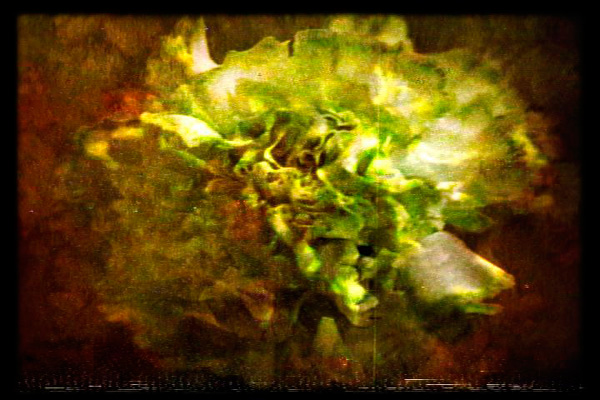
“Based on the true story of the wallpaper in my bedroom.”

“Scraps of text gathered from molding filmstrips and peeling chalkboards are photographed and intercut with pinhole shots from a schoolhouse. “
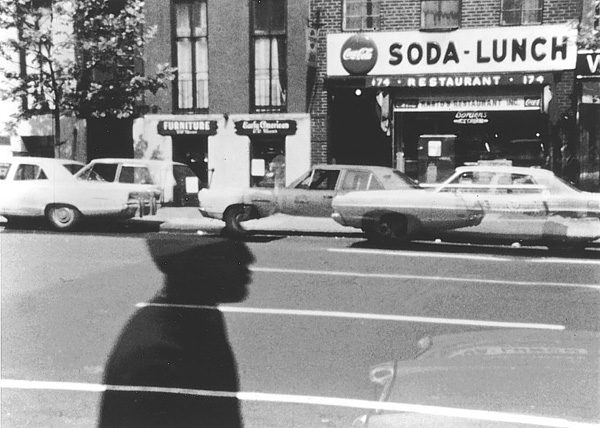
“… a delicious slow pulling of focus over four minutes in which snowflakes, streaming like intercepted chalk marks, fall in front of what seems to be a field, then a pond, and finally is recognized as a brick wall.” (P. Adams Sitney)
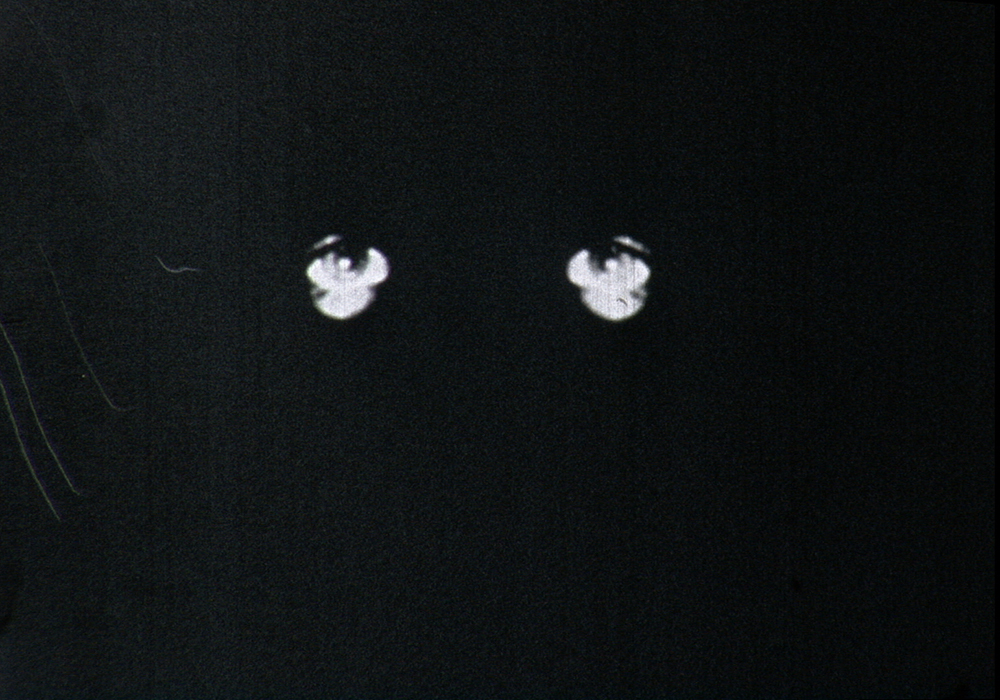
Een onmogelijk filmproject dat stukken uit Jean Cocteaus klassieker Orphée herorganiseert en waarin de geesten van de cinema zich tussen de frames ophouden.
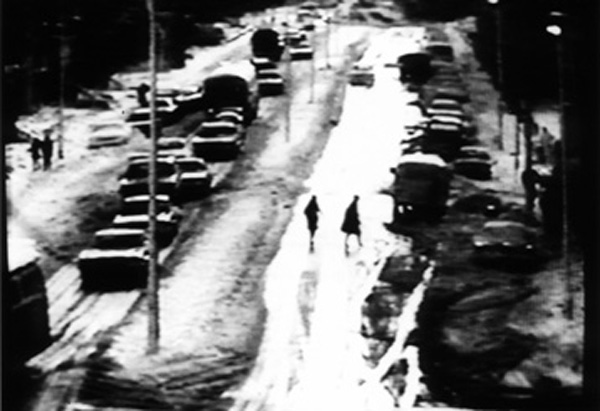
“Anne took the written diary form and extended it to include documentary, experimental and animated filmmaking techniques. She did not shy away from exposing any parts of her physical situation or emotional life. She became a pioneer of personal documentary and bravely shared experiences and observations on being a vegetarian, her cats, organic gardening, food, and her struggles with weight, her smoking and alcohol addictions, and depression (she was diagnosed with bipolar disorder). Romance (or lack thereof) and obsession are long-running themes in her films, as is the cycle of life.” (Harvard Film Archive)

“A film filled with clues and stray transmissions built on the bad geometry of point-of-view shots.”
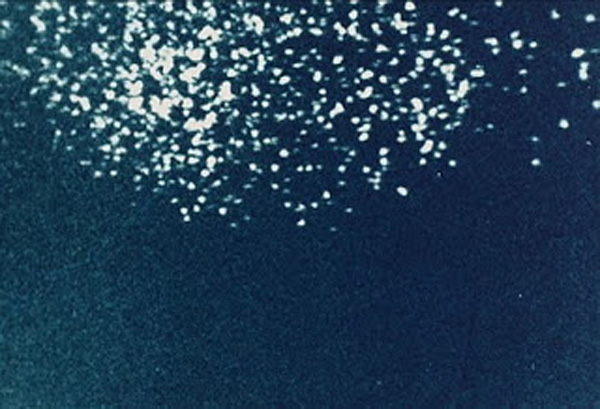
“Blue water and blue sky meet on emulsion.”
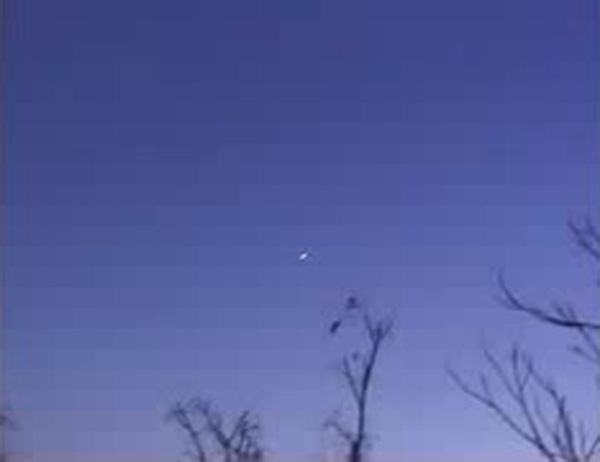
“Dream Story is about a dream I had of Marjorie Keller.”