Bruce Baillie en Chick Strand richtten Canyon Cinema in 1961 op. Het oorspronkelijke doel van Canyon Cinema was mensen bij elkaar brengen en verbindingen leggen ‘tussen de mensen en wat er gaande was.’ (Baillie) Baillie en Strand organiseerden vertoningen van speelfilms en experimentele en documentaire films, in achtertuinen en buurthuizen in East Bay. Het was een reactie op het gebrek aan publieke locaties voor onafhankelijke films, maar Baillie en Strand maakten deel uit van een bredere explosie in Amerikaanse avant-gardefilm. Het tijdperk was er één van sociaal idealisme en gemeenschappelijke energie, en de films die ze stoutmoedig toonden, stonden voor puur cinematografische visuele expressie en cultuurkritiek.
“One of our ‘devices,’ as P.T. and Chicky Strand would have it, for keeping the audience honest—that is, not too serious about ‘Art.’ Years of fun, work, and thoughtful exchange, covering perhaps everything under the sun! Our Chair in the Sun, we called it.” – B.B.
Introductie door Garbiñe Ortega.
Dit programma wordt herhaald op 10 oktober om 20u00.
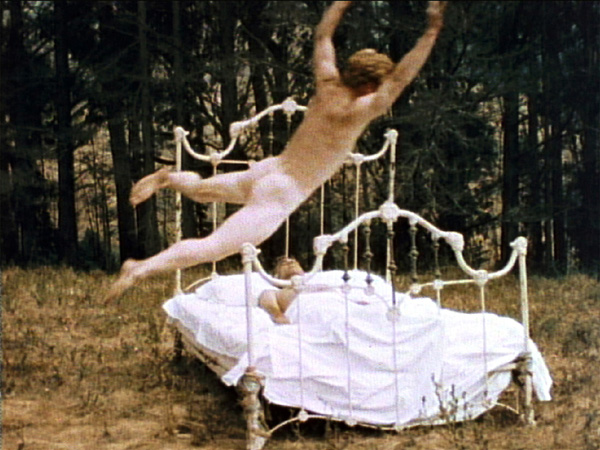
A lyrical film that celebrates the vast possibilities of what can (and can’t) happen in bed.
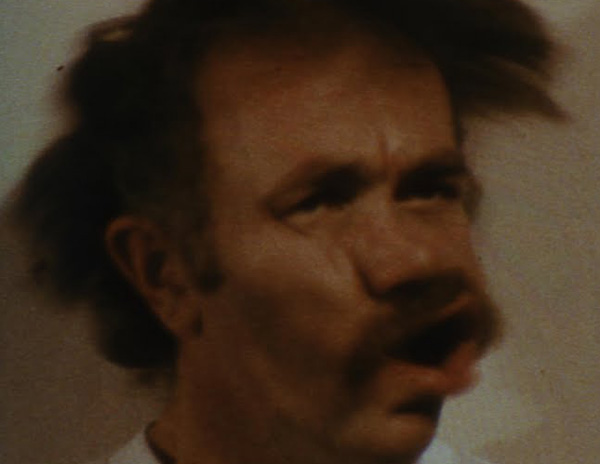
Robert Nelson and his artist friend William Wiley playfully act and pose in front of the camera, and then provide a commentary to play over their own japery.
“Under the first impression of Mendocino, up the coast north of San Francisco, and of my friend Paul Tulley… combining spontaneity and preconception in a film that is essentially a short lesson in feature form—i.e., somewhat toward a narrative film style.” – B.B.
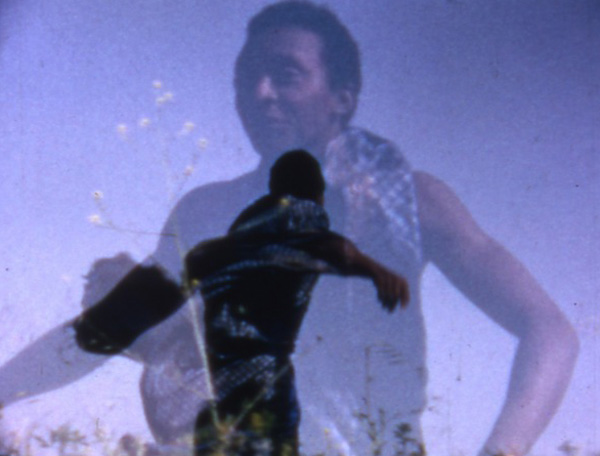
Combining live action, animation, montage, and found footage, Chick Strand’s experimental film poem is a celebration of life and visions.
Janis Crystal Lipzin’s film experiments with the qualities of light and sound at the Village Carwash in Los Angeles.
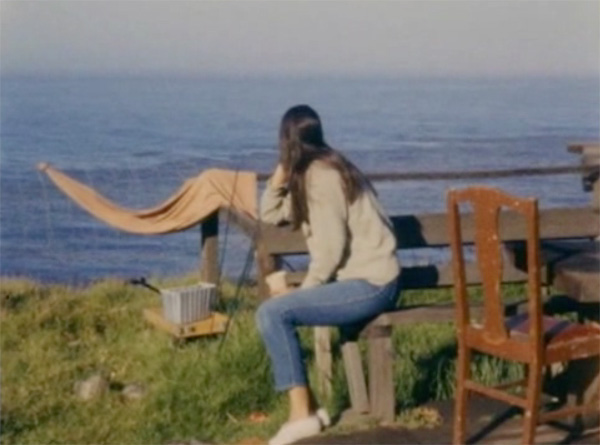
Lawrence Jordan’s partly pixelated diary film moves exuberantly through its brief running time with images of the Big Sur—the water, the sun against the landscape—as well as the “ladies” who run freely.
In Marin County is an important document on ecology that depicts the odd joy Americans take in destroying things, filtered through Peter Hutton’s bizarre and comic vision.
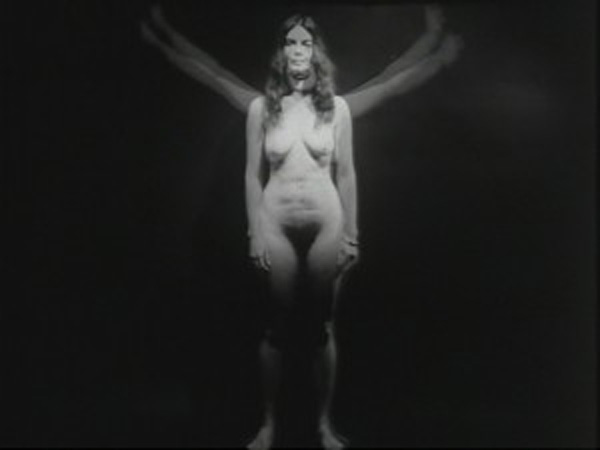
A continuous dissolve of 87 male and female nudes.