Sky Hopinka (Ho-Chunk/Pechanga) was born and raised in Ferndale - Washington, and spent a number of years in Palm Springs and Riverside - California, Portland - Oregon, Milwaukee - Wisconsin, and is currently based out of Cambridge - Massachusetts. In Portland he studied and taught chinuk wawa, a language indigenous to the Lower Columbia River Basin. His video work centers around personal positions of Indigenous homeland and landscape, designs of language as containers of culture, and the play between the known and the unknowable. Hopinka presents some of his recent works and will read from his publication Around the Edge of Encircling Lake.
In the presence of Sky Hopinka

Told through recollections of youth, learning, lore, and departure, this is an imagined myth for the Xąwįska, or the Indian Pipe Plant — used by the Ho-Chunk to revive those who have fainted.

An incomplete and imperfect portrait of reflections from Standing Rock. Cleo Keahna recounts his experiences entering, being at, and leaving the camp and the difficulties and the reluctance in looking back with a clear and critical eye. Terry Running Wild describes what his camp is like, and what he hopes it will become.
Reading
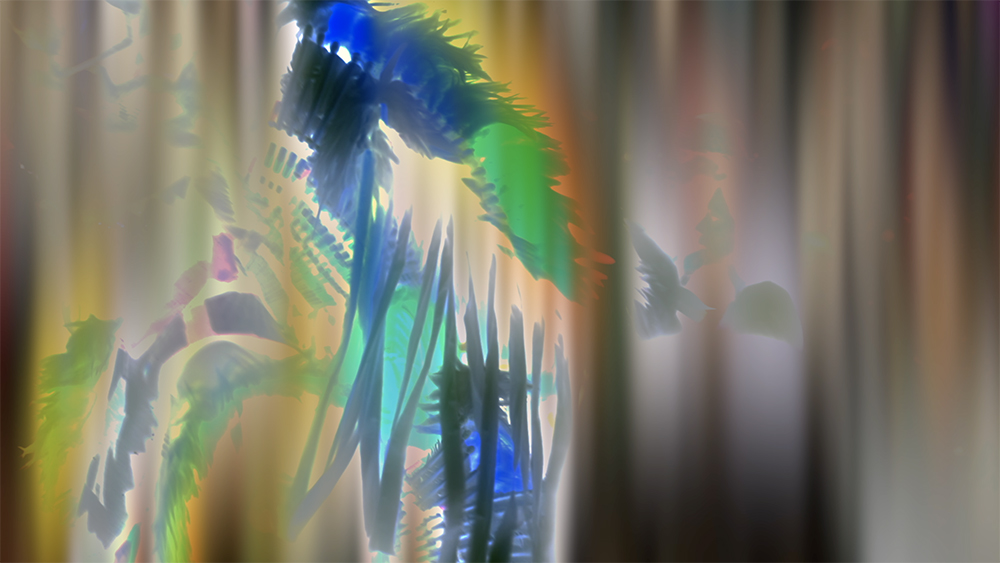
An elegy to Diane Burns on the shapes of mortality and being, and the forms the transcendent spirit takes while descending upon landscapes of life and death. A place for new mythologies to syncopate with deterritorialized movement and song, reifying old routes of reincarnation. Where resignation gives hope for another opportunity, another form, for a return to the vicissitudes of the living and all their refractions.
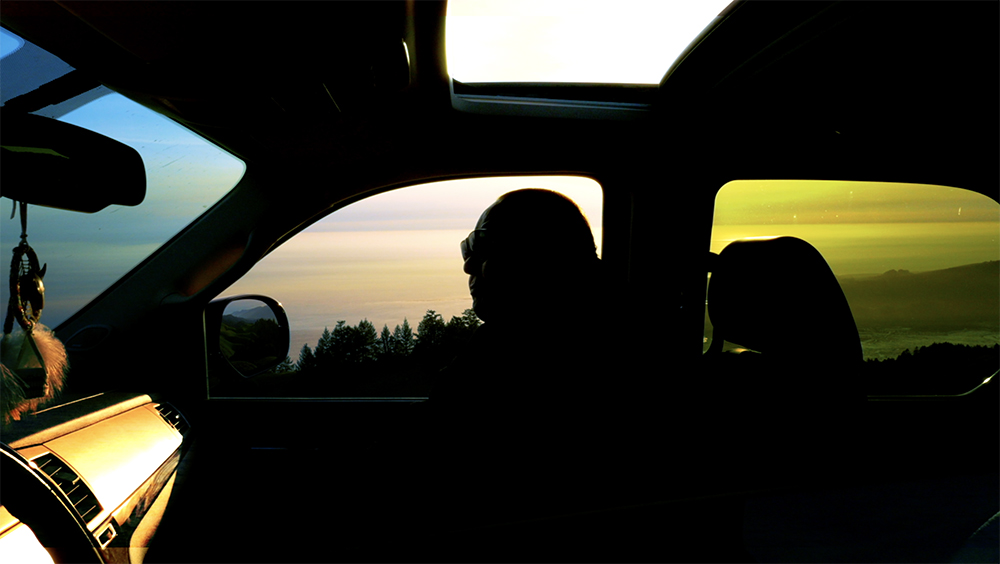
Against landscapes that the artist and his father traversed, audio of the father in the Ho-Chunk language is transcribed using the International Phonetic Alphabet, which tapers off, narrowing the distance between recorder and recordings, new and traditional, memory and song.
Reading
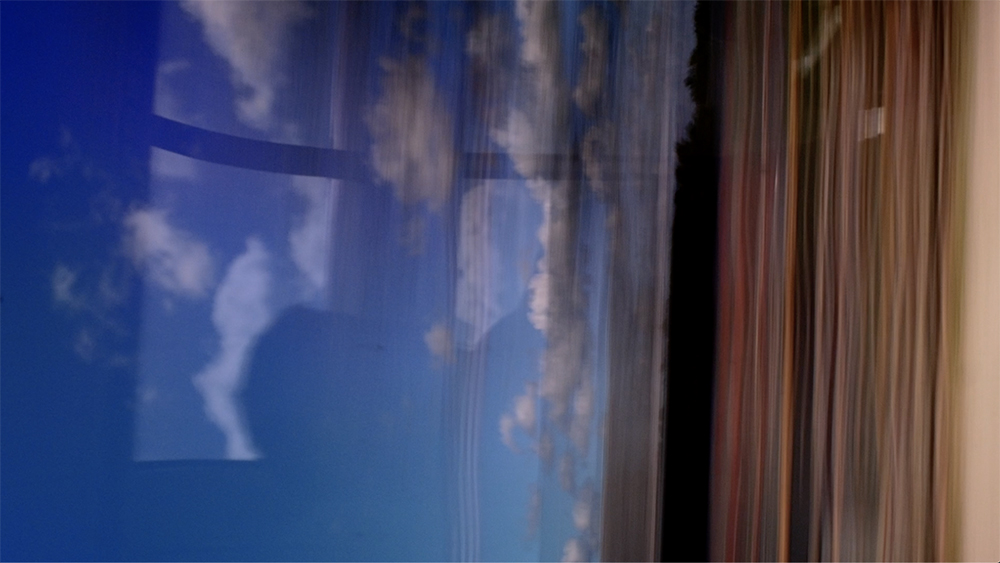
“In this video drawing from Bob Dylan’s song Just Like Tom Thumb’s Blues, layers of experiences circling loss and longing are overlaid between images of landscapes and movement. In the song, a stranger’s listlessness and exhaustion are woven through and around Juarez, Mexico, and so too are these stories woven around original discontent and uncertainty as they move through an uneasy negotiation with the strangeness of the American pioneer spirit.” (SH)
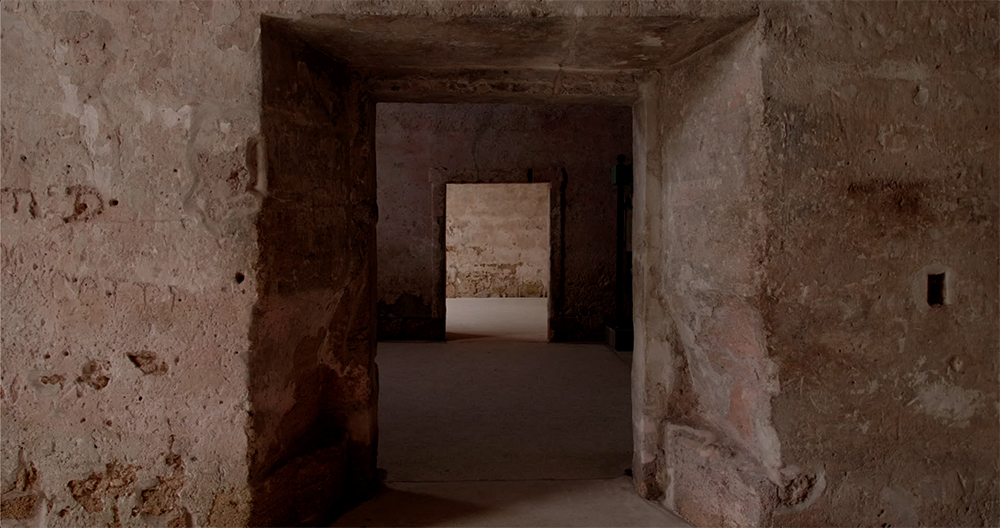
Fort Marion, also known as Castillo de San Marcos, has a long and complex history. Built in 1672 and located in St. Augustine, Florida, it served as a prison during the Seminole Wars in the 1830’s, and at the end of the Indian Wars in the late 1880’s. It was where Captain Richard Pratt developed a plan of forced assimilation through education that spread across the United States to boarding schools, built with the philosophy “that all the Indian there is in the race should be dead. Kill the Indian in him, and save the man.” Cloudless Blue Egress of Summer tells a small part of this history.