Drie films van de Britse filmmaker Sandra Lahire (1950-2001) die recent zijn gerestaureerd en gedigitaliseerd aan de Elias Querejeta Zine Eskola (San Sebastian), in de context van het research project “Their Past is Always Present”.
Sandra Lahire was een radicale lesbische, feministische en experimentele filmmaker en één van de meest prominente en inspirerende figuren in de Londense experimental film scene in de jaren 1980 en 1990 van de vorige eeuw. Lahire, die ook een muzikale score schreef voor Lis Rhodes’ Just About Now, ontwikkelde een nieuwe vorm van ‘mixed-genre filmmaking’. Ze overleed in 2001 na een lange en verbeten strijd tegen anorexia. Ze liet tien experimentele 16mm films na als een diepgaande filmische commentaar op deze aan- doening en haar werk toont met een vooruitziende blik de hedendaagse angst voor ecologische verwoestingen. Deze selectie geeft zicht op twee terugkerende thema’s in haar werk: haar anti-nucleaire positie en haar fascinatie voor de figuur en teksten van Sylvia Plath.
In the presence of Charlotte Procter and Pablo La Parra (EQZE)
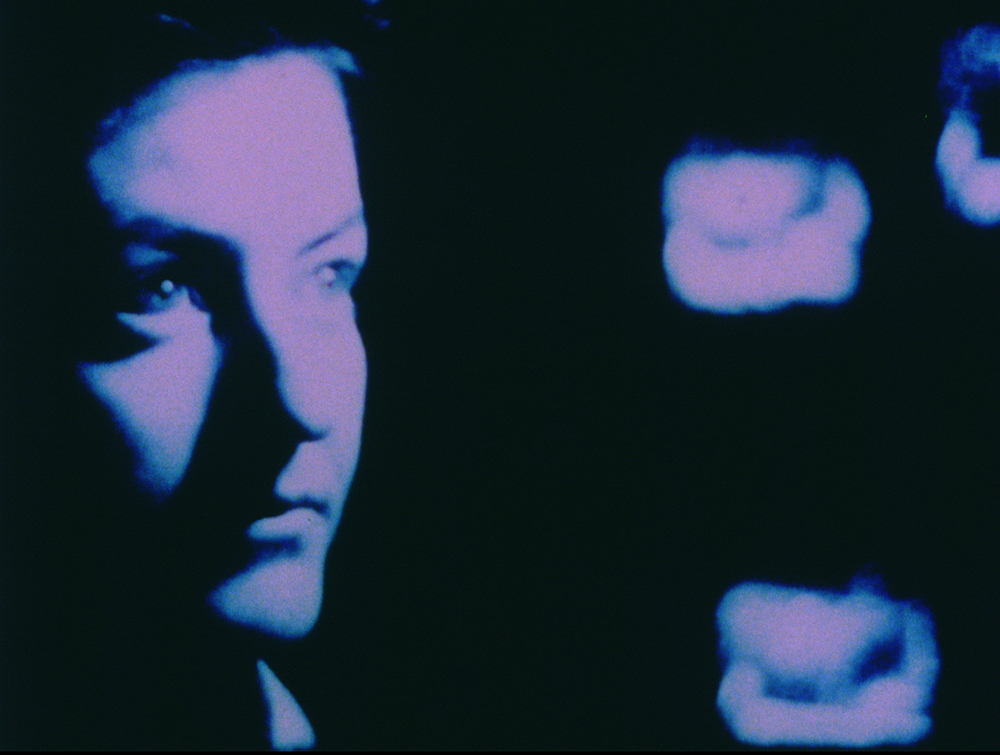
Part of a trilogy of films on radiation, this dystopic collage frames the fractured narrative of Thelma, a woman working with the monitors in a plutonium reactor. Plutonium blonde, a color reference usually used in beauty products, becomes the reality of the female body in the chemical factory. Through phonic collages of casual conversations and children’s lullabies that are disrupted by the fumes of factories and the threat of a nuclear war, Sandra Lahire’s film confronts the viewer with difficult questions around the damaged bodies that inhabit a chemical reality and the female identity during such a crisis. (Mariana Sánchez Bueno)
Recently digitized and restored at Elias Querejeta Zine Eskola (San Sebastian), in the context of the research project “Their Past is Always Present”.

Night Dances borrows its title from the Sylvia Plath poem cited above. An overlaying of light and dark imagery accompanied by a piano creates a visual dance that invites the viewer to meditate on the dualities of darkness and brightness, on love, illness, life, and death. The relationship with a mother and the relationship with a lover becomes a ritual of memory and reality invoked by performance and archival recreation. (Mariana Sánchez Bueno)
Recently digitized and restored at Elias Querejeta Zine Eskola (San Sebastian), in the context of the research project “Their Past is Always Present”.
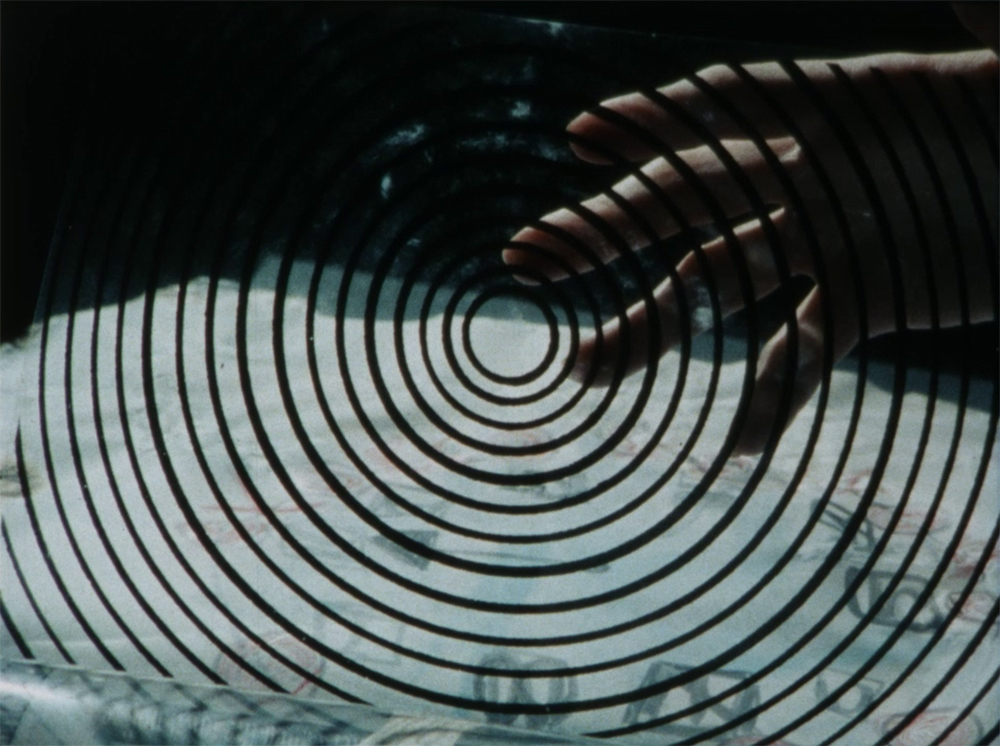
Johnny Panic draws primarily on Plath’s short story of the same title as well as incorporating texts from Plath’s novel, The Bell Jar, her journals, and poems. Sandra adds to Plath’s short story by staging her own seven dreams. This was the only film she made in a studio with sets and camera crew which gave Sandra the opportunity to explore a different way of working. Her former in-camera super-imposition effects are developed into stage sets with film projections. [ ...] Johnny Panic unleashes an elaboration of pain, fear and loss that is exposed in its raw state. Suicidal desire is extreme. The film brings this into sharp focus. It shocks and disturbs because of its articulation of horror, yet through its formal elegance an authority and dignity is retained that is hauntingly beautiful. (Sarah Pucill)